Save money on utility bills with energy meters and pound signs

How to Save Money on Your Utility Bills in 2026

How to Save Money on Your Utility Bills in 2026

Updated for 2026

If you are looking for ways to save money on utility bills, you are far from alone. Millions of UK households are struggling with the cost of gas, electricity and water, and rising prices have put real pressure on family budgets. Whether you are already behind on payments or simply want to cut back before things get tight, there are practical steps you can take right now to bring your bills down.

Why Utility Bills Have Risen So Much

Energy prices in the UK have been on an upward trend for years. The Ofgem energy price cap, which limits what suppliers can charge per unit of gas and electricity, hit record highs in 2022 and 2023. While the cap has come down since then, bills remain well above pre-2021 levels. Water bills have also increased, with many companies raising charges by 5% or more for 2025/26.

For households on low incomes or those already dealing with personal debt, these increases can tip the balance. When your energy bill goes up by hundreds of pounds a year, it often means other bills go unpaid. Council tax arrears are one of the most common knock-on effects, as people prioritise keeping the lights on over paying the council.

How to Save Money on Utility Bills: Practical Steps

You do not need to make drastic changes to see a difference. Here are some of the most effective ways to reduce what you spend on gas, electricity and water each month.

Switch to a cheaper energy tariff

One of the quickest wins is comparing energy deals. If you are on a standard variable tariff, you are almost certainly paying more than you need to. Use a comparison service like Ofgem’s price cap page to understand your current costs, then check whether a fixed deal could save you money. Even small savings per month add up over a year.

Use less energy at home

Turning your thermostat down by just one degree can save around 10% on your heating bill. Other simple changes include switching to LED bulbs, only boiling the water you need, and using your washing machine at 30 degrees. Draught-proofing windows and doors is a low-cost way to keep heat in during winter.

Get a smart meter

Smart meters let you see exactly how much energy you are using in real time. This makes it much easier to spot where you are wasting money. Your supplier is required to offer you one at no extra cost, so there is no reason not to have one fitted.

Check if you qualify for the Warm Home Discount

The Warm Home Discount scheme gives eligible households a one-off discount of £150 on their electricity bill each winter. You may qualify if you receive Pension Credit or if your energy supplier considers you to be on a low income. It is worth checking every year, as the rules can change. The government’s official guidance on the Warm Home Discount explains the current eligibility criteria.

Reduce your water bill

If you are on a water meter, shorter showers, fixing dripping taps and using a washing-up bowl instead of running the tap can all make a noticeable difference. If you are not on a meter and your household is small, switching to a metered supply could actually save you money. Your water company can advise on whether this would work for you.

Government Help With Utility Bills

The UK government offers several schemes to help people who are struggling to pay their energy bills. These include:

  • Winter Fuel Payment: an annual payment of between £100 and £300 for people born before a qualifying date (eligibility has been tightened from 2024/25, so check the latest rules)
  • Cold Weather Payment: £25 for each seven-day period of very cold weather, paid to people on certain benefits
  • Energy Company Obligation (ECO): free or subsidised home insulation and heating improvements for eligible households
  • Household Support Fund: a local council fund that can help with energy costs, food and other essentials

You can check what you are entitled to on the MoneyHelper bill prioritiser tool, which also helps you work out which bills to tackle first.

When Utility Debt Starts Affecting Other Bills

One of the biggest dangers of rising utility costs is the knock-on effect on other household bills. When energy bills eat into your budget, council tax payments are often the first thing to slip. Unfortunately, councils can take enforcement action quickly, including sending bailiffs or taking you to court.

If you are falling behind on council tax because of high energy costs, it is important to act before the situation escalates. Contact your council to ask about council tax support or a payment arrangement. Many councils will agree to a manageable plan if you reach out before a liability order is issued.

You should also look at whether you are paying the right amount of council tax in the first place. Thousands of homes in England and Wales are in the wrong council tax band, which means their occupants are overpaying every month without realising it.

Free Help If You Are Struggling With Bills

If your utility bills are piling up alongside other debts, free advice is available. Organisations like StepChange offer confidential debt advice and can help you put together a plan to deal with everything from energy arrears to credit card debt.

Citizens Advice can also help you negotiate with your energy supplier. Under Ofgem rules, your supplier must offer you a payment plan you can afford, and they cannot disconnect you if you are engaging with them and making an effort to pay.

If you are worried about reducing your energy bills alongside managing your council tax, our guide covers the overlap between the two and how to tackle both at once.

Debt charities report that most people wait over a year before seeking help, by which point the problem has grown significantly. The sooner you act, the more options you have.

Small Changes Add Up Over Time

Saving money on your household bills is not about one big fix. It is about making a series of small, sensible changes that reduce your outgoings month by month. Switching tariffs, using less energy, claiming the support you are entitled to and getting advice when you need it can collectively save you hundreds of pounds a year.

If you are already behind on your bills, do not ignore the problem. Whether it is utility debt, council tax arrears or a combination of both, help is available. You can also read our guide to saving money on your supermarket shop for more practical tips on cutting everyday costs.

Need Help With Council Tax or Debt?

If rising utility bills have left you struggling with council tax or other debts, we can help. Our advice is free, confidential and tailored to your situation. Get in touch today and take the first step towards getting back on track.

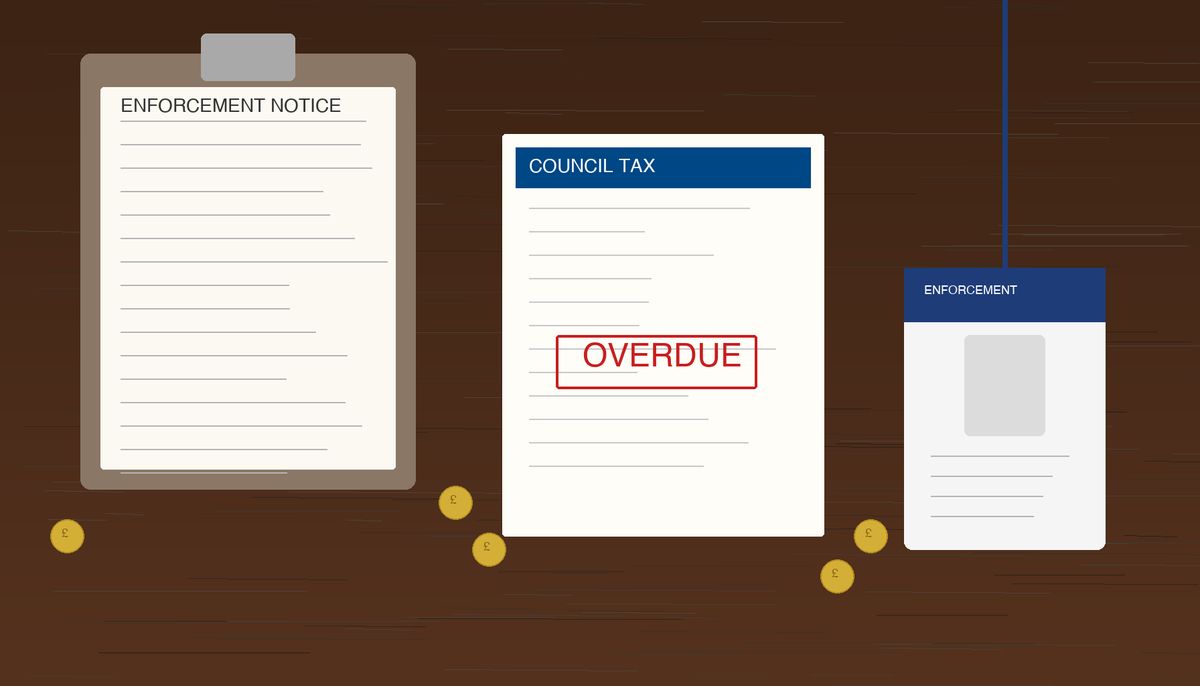
Council tax enforcement agent badge and clipboard with overdue notice

Council Tax Enforcement Agents: What Rossendales Bailiffs Can and Cannot Do

Updated for 2026

Council tax enforcement agent badge and clipboard with overdue notice

Council Tax Enforcement Agents: What Rossendales Bailiffs Can and Cannot Do

If a council tax enforcement agent turns up at your door, it can be a stressful and confusing experience. You might not know what they are allowed to do, whether you have to let them in, or what your options are. Rossendales (now part of Marston Holdings) is one of the largest enforcement companies working on behalf of local councils in England and Wales, and understanding how their agents operate can help you protect your rights and deal with the situation calmly.

Who Are Rossendales Council Tax Enforcement Agents?

Rossendales has been providing bailiff and warrant services to local government and the public sector since 1972. The company works with over 140 local authorities across England and Wales, including district councils, city councils, metropolitan and unitary authorities, and London boroughs. Their primary focus is the collection of unpaid council tax on behalf of these authorities.

In recent years, Rossendales became part of Marston Holdings, one of the UK’s largest enforcement groups. Despite the name change at corporate level, many people still refer to them as Rossendales, and their agents continue to operate under the same regulatory framework that governs all council tax enforcement officers in England and Wales.

As doorstep enforcement agents, Rossendales staff are trained to recover outstanding council tax debts quickly and efficiently. They are given performance targets by the councils they serve, which means they are motivated to secure payment. However, they must still operate within the law, and you have clear rights when dealing with them.

What Can a Council Tax Enforcement Agent Do at Your Door?

When a council tax enforcement agent from Rossendales arrives at your property, they are there to collect a debt that has already been through the courts. Before an enforcement agent can visit, your council will have obtained a liability order from the magistrates’ court. This gives the agent legal authority to attempt to recover the money you owe.

However, there are strict limits on what they can do during that first visit. On their initial attendance, an enforcement agent cannot force their way into your home. This is a common misconception. They must be invited in, or gain what is called “peaceful entry”, meaning you open the door and allow them to step inside voluntarily.

If you do not let them in, they cannot break down your door, climb through windows, or use physical force to enter your property. They can, however, take goods that are outside your home, such as a vehicle parked on your driveway. The rules around bailiff laws in England and Wales are designed to balance the council’s right to collect the debt with your right to feel safe in your own home.

What Happens If You Let a Council Tax Enforcement Agent In?

If you do grant a Rossendales enforcement agent peaceful entry to your home on their first visit, the consequences can be significant. Once inside, they may list your belongings as potential assets to cover the debt. This process is known as “taking control of goods” and it gives the agent a legal interest in those items.

More importantly, once you have granted peaceful entry, the agent is then permitted to re-enter your property on future visits. This means they could return and, if necessary, use reasonable force to gain entry. Reasonable force does not mean violence or smashing windows. It typically means using a locksmith to open a door. But it does mean you lose the protection of being able to simply refuse entry.

This is why many debt advice organisations recommend that you do not let enforcement agents into your home on their first visit. Instead, communicate with them through the door, in writing, or by telephone.

Items enforcement agents cannot take

Even if an enforcement agent does enter your property, there are items they are not allowed to seize. These include:

  • Essential household items such as a cooker, fridge, washing machine, bedding, and clothing
  • Items that belong to someone else living in the property (you may need to prove ownership)
  • Tools of the trade up to a combined value of £1,350
  • Items on hire purchase or subject to a finance agreement
  • Guide dogs or assistance animals

If an enforcement agent attempts to seize protected items, this is a breach of the Tribunals, Courts and Enforcement Act 2007 and you should make a formal complaint.

Council Tax Enforcement Agent Fees: What You Should Expect

Enforcement agents are allowed to add fees to the debt they are collecting. These fees are set by law under the Taking Control of Goods (Fees) Regulations 2014 and are as follows for the 2025/26 financial year:

  • Compliance stage: £75 (a letter sent before any visit)
  • Enforcement stage: £235 plus 7.5% of the debt over £1,500
  • Sale stage: £110 plus 7.5% of the debt over £1,500

These fees can add up quickly, which is why it is so important to act early. If you are contacted at the compliance stage, you may still be able to arrange a payment plan directly with your council before the fees escalate. For more detail on what charges are allowed, read our guide to bailiff charges and enforcement agent rules.

How to Deal With a Rossendales Council Tax Enforcement Agent

If Rossendales contact you or turn up at your home, there are practical steps you can take to protect yourself and begin resolving the debt.

Stay calm and know your rights

Do not panic. Remember that on their first visit, an enforcement agent cannot force entry. You are within your rights to speak to them through a closed door or window. Ask for their name, ID number, and which council they are acting for. Every enforcement agent must carry a valid certificate issued by the county court, and they should be willing to show it.

Do not ignore the situation

Ignoring letters and visits will not make the problem go away. The fees will continue to rise, and the council may escalate enforcement further. In extreme cases, persistent non-payment of council tax can lead to a committal hearing, where a magistrate could impose a prison sentence of up to three months. While imprisonment is rare, it does happen.

Try to agree a repayment plan

If you cannot pay the full amount, you should be prepared to offer a realistic repayment plan. Rossendales agents are often willing to accept instalments, especially if you can demonstrate that you are making a genuine effort. You can pay by phone, online, by post, or at certain banks.

Get free debt advice

If the enforcement agent rejects your offer or you feel overwhelmed, seek help from a free debt advice service. Organisations like StepChange, MoneyHelper, and Citizens Advice can help you draw up a budget, negotiate with your council, and explore options such as a council tax reduction, a breathing space moratorium, or a formal debt solution.

Making a Complaint About a Council Tax Enforcement Agent

If you believe a Rossendales enforcement agent has behaved improperly, broken the rules, or treated you unfairly, you have every right to complain. Start by contacting Rossendales (Marston Holdings) directly through their formal complaints process. If that does not resolve the issue, you can escalate the complaint to your local council, since they are the ones who instructed the enforcement action.

You can also report serious breaches to the Ministry of Justice, which oversees the certification of enforcement agents. If an agent has committed a criminal offence, such as using violence or entering your home unlawfully, you should contact the police.

For guidance on how to make a complaint, see our article on council tax bailiff complaints.

Getting Help With Council Tax Debt

Dealing with a council tax enforcement agent can feel overwhelming, but you are not alone. Council Tax Advisors is a specialist community interest company with extensive experience of helping people who are being contacted by Rossendales and other enforcement companies. We can help you understand your rights, create a realistic repayment plan, and act as a buffer between you and the enforcement agents.

Whether you are at the early stages of falling behind or already facing doorstep visits, the most important thing is to take action now. The sooner you seek advice, the more options you will have and the lower the fees will be.

Speak to Us Today

If you are struggling with council tax debt and need help dealing with enforcement agents, get in touch. Our advisors are here to help you find a way forward.

Get Free Advice

Personal debt in the UK, overdue bills and financial pressure

Personal Debt in the UK: What You Need to Know in 2026

Updated for 2026

Personal debt in the UK is rising at a pace that should concern every household. Whether you are juggling credit card balances, struggling with council tax arrears or falling behind on utility bills, millions of people across England and Wales find themselves under increasing financial pressure. If you are worried about personal debt, you are far from alone, and there are practical steps you can take right now to regain control.

Personal Debt in the UK: The Scale of the Problem

The numbers paint a stark picture. Total unsecured consumer debt in the UK passed £2 trillion during 2025, according to Bank of England data, and that figure continues to climb in 2026. Average household debt (excluding mortgages) now sits at approximately £4,300 per adult, a figure driven by credit cards, overdrafts, personal loans and buy now, pay later schemes.

The Financial Conduct Authority (FCA) has repeatedly flagged the aggressive marketing of consumer credit products as a factor fuelling the problem. Despite tighter regulations introduced over the past decade, many households still rely on short-term borrowing to cover everyday costs. This is not reckless spending for most people: it is a direct consequence of rising living costs, stagnant wages in some sectors and the ongoing impact of energy price volatility.

Why Personal Debt Keeps Growing

Several factors are driving the rise in personal debt across the UK in 2026:

  • Council tax bills have risen by an average of 5% in England for the 2025/26 financial year, with further increases expected from April 2026
  • Energy costs remain elevated despite some price cap reductions, leaving many households reliant on credit to cover winter bills
  • The cost of food, rent and essential services continues to outpace wage growth for lower-income households
  • Buy now, pay later products have normalised borrowing among younger adults, often without the same affordability checks applied to traditional credit
  • Interest rates, while easing from their 2023 peak, remain higher than the near-zero levels households grew used to before 2022

The combination of these pressures means that even people who manage their finances carefully can find themselves slipping into debt. Missing one council tax payment can quickly cascade into a court summons if you do not act early.

The Link Between Personal Debt and Council Tax Arrears

Council tax is a priority debt. That means your local authority can take enforcement action more quickly than most other creditors. When personal debt piles up, council tax is often one of the first bills people fall behind on, partly because there is no flexible repayment option built in: you either pay on time or you face consequences.

In 2024/25, English councils referred over 2.3 million council tax cases to enforcement agents (bailiffs). That figure has grown year on year as councils face their own budget pressures and become less willing to offer extended payment arrangements. If you are already dealing with credit card debt or loan repayments, a missed council tax instalment can tip the balance from manageable to crisis very quickly.

Understanding council tax support schemes available in your area could reduce your bill significantly if you are on a low income or claiming certain benefits.

Warning Signs That Personal Debt Is Becoming Unmanageable

It is easy to convince yourself that everything is fine until it suddenly is not. Look out for these signs:

  • You are using one credit product to pay off another
  • You can only afford minimum payments on your credit cards
  • You are regularly dipping into your overdraft before payday
  • You have missed payments on council tax, rent or utilities
  • You feel anxious about opening letters or checking your bank balance
  • You have considered payday loans or high-cost borrowing to cover essentials

If any of these sound familiar, it is a sign that you need to take action sooner rather than later. Ignoring debt does not make it go away: it makes it more expensive and more stressful.

Practical Steps to Deal With Personal Debt

The good news is that there are well-established routes to getting debt under control. None of them involve burying your head in the sand.

1. Get a clear picture of what you owe

Write down every debt: the creditor, the balance, the interest rate and the minimum payment. Include council tax arrears, energy debts and any informal borrowing from friends or family. You cannot tackle what you cannot see.

2. Prioritise your debts

Priority debts are the ones with the most serious consequences for non-payment. Council tax, rent, mortgage and energy bills come first. Credit cards and personal loans are important, but your home and liberty matter more. The MoneyHelper website has an excellent guide to prioritising debts.

3. Contact your creditors

Most creditors would rather agree a realistic payment plan than send in bailiffs or go to court. If you are behind on council tax, call your council and explain your situation. Many will agree a payment arrangement if you approach them before the liability order stage.

4. Explore formal debt solutions

Depending on your circumstances, you may benefit from a Debt Relief Order (DRO), an Individual Voluntary Arrangement (IVA) or even bankruptcy as a last resort. These are legal processes that can write off some or all of your debts. Free advice on these options is available from StepChange and Citizens Advice.

5. Boost your income where possible

Check whether you are claiming all the benefits you are entitled to, including council tax support, Universal Credit, Pension Credit and the Warm Home Discount. The GOV.UK benefits checker can help you identify what you might be missing.

Free Debt Advice: Where to Turn

One of the biggest barriers to dealing with personal debt is embarrassment. People put off seeking help because they feel ashamed, but there is nothing to be ashamed of. Millions of UK households are in the same position, and the debt advice sector exists specifically to help.

These organisations offer free, confidential advice:

  • StepChange Debt Charity: free online and telephone debt advice, including debt management plans
  • MoneyHelper (backed by the Money and Pensions Service): guidance on budgeting, debt and benefits
  • Citizens Advice: face-to-face and online help with debt, housing and benefits
  • National Debtline: free telephone advice and online tools

If your personal debt includes credit card balances, these services can help you negotiate lower payments or freeze interest charges while you get back on your feet.

What Happens If You Ignore Personal Debt

Doing nothing is always the worst option. For council tax arrears specifically, your council can apply for a liability order at the magistrates court, add court costs to your bill, instruct enforcement agents to visit your home and, in extreme cases, apply for a committal hearing that could lead to a prison sentence (though this is rare and only applies in England and Wales).

For other debts, creditors can obtain County Court Judgments (CCJs), which damage your credit score for six years and make it harder to rent a home, get a mortgage or even open a bank account. Ignoring the problem does not protect you: it removes your options.

How to Avoid Personal Debt in the Future

Once you have dealt with your immediate debts, building a small financial cushion can help prevent the cycle from repeating. Even saving £10 a week adds up to over £500 a year, enough to cover an unexpected bill without reaching for a credit card.

Other practical habits include:

  • Setting up a basic budget and reviewing it monthly
  • Switching to direct debit for council tax and utilities to spread costs evenly
  • Checking your credit report regularly (free through Experian, Equifax or TransUnion)
  • Avoiding buy now, pay later for non-essential purchases

Financial resilience is not about being wealthy. It is about having a plan and knowing where to get help when things go wrong.

Life insurance UK importance of protecting your family

The Importance of Life Insurance in 2026

Updated for 2026

Life insurance is one of the most important financial safety nets you can put in place for your family. If you have dependants who rely on your income, a life insurance policy ensures they are protected financially if you were to die. Despite this, millions of UK households remain uninsured, leaving families at risk of serious financial hardship at the worst possible time.

Why Life Insurance Matters for UK Families

According to the Association of British Insurers, around 8.6 million UK households have no life insurance cover at all. That means millions of families would have no financial buffer if a breadwinner died unexpectedly. For households already dealing with tight budgets, managing debt repayments and keeping up with bills, losing an income without protection could push them into crisis.

A life insurance policy pays out a lump sum or regular income to your beneficiaries when you die. This money can cover mortgage payments, rent, childcare, household bills, funeral costs and everyday living expenses. Without it, your partner or family could be left struggling to keep a roof over their heads.

The cost of raising a child in the UK now exceeds £150,000 on average, according to the Child Poverty Action Group. If you are the primary earner and have young children, having proper cover is not a luxury. It is a necessity.

Types of Life Insurance Explained

There are several types of life insurance policy available in the UK. Understanding the differences will help you choose the right cover for your situation.

Term Life Insurance

This is the most common and affordable type. It covers you for a set period, typically 10 to 30 years. If you die during the term, the policy pays out the agreed sum. If you outlive the term, the policy simply ends with no pay-out. There are three main variations:

  • Level term: the pay-out stays the same throughout the policy
  • Decreasing term: the pay-out reduces over time, often used alongside a repayment mortgage
  • Increasing term: the pay-out rises each year to keep pace with inflation, making it more expensive but offering better protection long-term

Whole of Life Cover

This type covers you for your entire life, not just a fixed term. It guarantees a pay-out whenever you die, as long as you keep up the premiums. Whole of life policies cost more but are useful for inheritance tax planning or leaving a guaranteed sum for your family.

Joint Policies

Couples can take out a joint policy that covers both partners. It typically pays out once, on the first death. This can be cheaper than two separate policies, though it does mean the surviving partner loses their cover after a claim.

Family Income Benefit

Rather than paying a lump sum, this type of policy pays a regular tax-free income to your family from the date of your death until the end of the term. This can be easier for families to manage than a large one-off payment.

How Much Life Insurance Do You Need?

Working out how much life insurance cover you need starts with understanding your family’s financial commitments. Consider the following:

  • Outstanding mortgage balance or remaining rent payments
  • Any other debts: credit cards, loans, council tax arrears
  • Childcare and education costs
  • Household bills and everyday living expenses
  • Funeral costs, which averaged around £4,000 to £6,000 in 2025 according to SunLife

A common rule of thumb is to insure yourself for 10 times your annual salary, though your actual needs may be higher or lower depending on your circumstances. If your household is already under financial pressure, perhaps dealing with housing debt or falling behind on bills, getting even a basic level of cover is better than none at all.

Use a calculator from a comparison site or speak to an independent financial adviser to get a clearer picture. MoneyHelper also provides free guidance on choosing the right policy.

What Happens to Your Debts When You Die?

Many people assume that their debts die with them. That is not always the case. While unsecured debts like credit cards and personal loans cannot be passed to your family directly, they will be deducted from your estate before anything is inherited. This means your family could receive far less than expected.

Secured debts are more serious. If you have a mortgage and no life insurance in place, your family could lose the home. Council tax arrears, while not secured against property, can still be claimed from the estate. If you are already dealing with debt, reading our guide on free debt advice in the UK is a good first step alongside considering protection.

A pay-out from your life insurance policy is not usually counted as part of your estate for inheritance tax purposes if the policy is written in trust. This is an important detail: by placing your policy in trust, you ensure the money goes directly to your beneficiaries without delays or tax complications. Your insurer can help you set this up at no extra cost.

How to Get Affordable Life Insurance in 2026

Life insurance premiums depend on your age, health, lifestyle, the type of policy and the amount of cover. Younger, healthier applicants will pay less, which is why taking out a policy sooner rather than later makes financial sense.

Here are some practical tips for keeping costs down:

  • Compare quotes from multiple providers using comparison websites
  • Consider term cover rather than whole of life if you only need protection for a specific period
  • Stop smoking: smokers pay significantly higher premiums, and most insurers reclassify you as a non-smoker after 12 months without tobacco
  • Be honest on your application: failing to disclose health conditions can invalidate your policy entirely
  • Review your cover regularly, especially after major life events like having a child, buying a home or changing jobs

According to gov.uk guidance on insurance premium tax, life insurance is exempt from Insurance Premium Tax, which helps keep costs lower compared to other types of insurance.

If money is tight and you are weighing up whether to save or repay debt first, even a small policy can provide meaningful protection for very little monthly cost. Basic term cover for a healthy 30-year-old can start from as little as £5 to £10 per month.

Building Your Financial Safety Net

Life insurance should sit alongside other essential financial protections. If you are employed, check whether your employer offers death-in-service benefits, which typically pay out two to four times your annual salary. This can reduce the amount of additional cover you need to buy privately.

It is also worth considering income protection and critical illness cover, which pay out if you are unable to work due to illness or injury. These are separate products but together create a more complete safety net for your household.

If you are a single parent, self-employed or the sole earner in your household, having proper cover is especially critical. Without it, your family would need to rely entirely on state benefits, which in most cases would not come close to replacing your income.

Organisations like StepChange can help if you are struggling with debt and unsure how to prioritise your spending. Getting your finances in order makes it easier to budget for essential protections like life insurance.

Need Help Getting Your Finances in Order?

If you are struggling with council tax debt, household bills or financial pressure, Council Tax Advisors can help. We offer free, impartial guidance to help you take back control of your finances, so you can focus on protecting your family’s future.

credit card debt tips for managing your finances

5 Tips for Dealing with Credit Card Debt

Updated for 2026

Credit card debt is one of the most common financial problems in the UK. With average interest rates now sitting above 24% and household budgets squeezed by rising bills, it is easier than ever to fall behind on repayments. If your balance keeps growing and you are only managing the minimum payment each month, something needs to change. These five practical tips will help you take control and start working towards a debt-free future.

1. Reject Any Increase to Your Credit Card APR

Credit card providers can raise your interest rate, but you do not have to accept it. Under the Consumer Credit Act 1974, if your card company notifies you of an APR increase, you have 60 days to reject the change. Once you do, you will no longer be able to use the card for new spending, but you can continue to repay the outstanding balance at the original, lower rate.

This is a genuinely useful option if you are carrying a large balance. The difference between, say, 22% and 28% APR on a £3,000 balance could add hundreds of pounds in extra interest over a year. Always read any letters or emails from your card company carefully, and act quickly if you spot a rate change.

2. Switch to a 0% Balance Transfer Card to Reduce Credit Card Debt

One of the most effective ways to tackle what you owe is to move your balance to a 0% balance transfer card. As of early 2026, some of the best deals on the market offer up to 29 months at 0% interest, giving you a window to pay down the balance without interest adding to it.

You will typically pay a transfer fee of 1% to 3% of the balance, but this is usually far less than the interest you would otherwise be charged. Compare deals carefully using MoneyHelper’s balance transfer guide to find the right card for your situation.

A few things to watch for:

  • Make sure you pay at least the minimum each month, or the 0% deal may be cancelled
  • Avoid making new purchases on the balance transfer card, as these are often charged at the standard rate
  • Set a reminder for when the 0% period ends so you can reassess

3. Pay More Than the Minimum Each Month

If you only pay the minimum on your credit card, it could take decades to clear the balance. Card companies set minimum payments low, often around 1% to 2.5% of the balance plus interest. On a £5,000 balance at 24% APR, paying only the minimum could mean you end up repaying more than double the original amount over time.

Even an extra £20 or £30 a month above the minimum can make a significant difference. It reduces the total interest charged and shortens the repayment period considerably. If you have multiple cards, focus extra payments on the one with the highest interest rate first. This is sometimes called the avalanche method, and it saves the most money overall.

Paying more than the minimum also helps your credit score. Lenders see consistent above-minimum payments as a sign that you are managing your finances responsibly.

4. Prioritise Paying Off Your Balance Before Saving

It might feel counterintuitive, but if you have credit card debt, paying it off should come before building savings. The reason is simple maths. The interest rate on most cards, currently averaging around 24% in the UK, is far higher than anything you would earn from a savings account.

For example, if your savings account pays 4.5% interest but your card charges 24%, every pound sitting in savings is effectively costing you 19.5% per year. You are losing money by keeping savings while carrying the balance.

The one exception is your emergency fund. StepChange recommends keeping a small buffer of around £1,000 for unexpected costs, so you do not have to rely on credit again when something goes wrong. Once the balance is cleared, you can redirect those payments into proper savings.

5. Get Free Debt Advice if You Are Struggling

Trying to manage credit card debt alone can feel overwhelming, especially if you are also juggling council tax arrears or other household bills. The good news is that free, impartial debt advice is widely available in the UK.

These organisations offer confidential help at no cost:

  • StepChange: free online and phone debt advice, including debt management plans
  • MoneyHelper: government-backed money and debt guidance
  • Citizens Advice: face-to-face and online support for all debt types
  • GOV.UK: official guidance on debt repayment options

A qualified adviser can help you work out a realistic budget, negotiate with creditors, and explore formal options like a Debt Management Plan (DMP) or an Individual Voluntary Arrangement (IVA) if your debts are more serious.

When Card Balances Affect Your Council Tax

Credit card debt rarely exists in isolation. When monthly repayments eat into your income, essential bills like council tax can fall behind. Unlike credit cards, council tax is a priority debt. Your local authority can take enforcement action far more quickly than a card company, including sending bailiffs or applying for deductions from your wages.

If you are struggling to keep up with both card payments and council tax, it is important to prioritise council tax first. Missing council tax payments can escalate within weeks, whereas card companies generally have longer processes before taking court action.

Council Tax Advisors offers free advice to anyone dealing with council tax debt, bailiff problems, or wider financial difficulties. Getting the right guidance early can prevent a manageable situation from becoming a crisis.

Take the First Step Today

Carrying a balance on your cards does not have to control your life. Whether you switch to a better deal, increase your monthly payments, or reach out for professional advice, every step forward counts. The worst thing you can do is ignore the problem and hope it goes away.

If you need help with council tax debt, bailiff issues, or any financial difficulties, contact Council Tax Advisors today. Our team provides free, confidential guidance to help you get back on track.

Housing debt in the UK - documents and mortgage papers on a desk

Housing Debt in the UK: Why It Remains Britain’s Biggest Worry in 2026

Updated for 2026

Housing debt remains one of the most pressing financial challenges facing UK households in 2026. Whether it is mortgage arrears, rent shortfalls, or unpaid council tax, millions of people across England and Wales are struggling to keep a roof over their heads without falling deeper into the red.

The cost of living crisis that took hold from 2022 onwards has not simply disappeared. Energy prices, food costs, and interest rates have all combined to squeeze household budgets tighter than ever. For many families, housing costs are the single largest monthly outgoing, and when money gets tight, those payments are often the first to slip.

How Big Is the Housing Debt Problem in 2026?

The scale of housing debt in the UK is staggering. According to the Shelter housing charity, roughly one in four adults across England fears they may struggle to meet rent or mortgage payments at some point during 2026. That figure has barely shifted since the mid-2010s, which tells you everything about how little progress has been made.

Council tax arrears alone account for billions of pounds in outstanding debt owed to local authorities. The Government’s own figures show that collection rates have dropped in recent years, with councils in England collecting around 95% of what they are owed. That missing 5% represents hundreds of millions of pounds, and behind every unpaid bill is a household in difficulty.

Mortgage arrears are also climbing. The Bank of England reported that the number of households in arrears rose through 2024 and 2025 as fixed-rate deals expired and borrowers moved onto higher variable rates. For those on tracker mortgages, the base rate increases since 2022 have added hundreds of pounds to monthly repayments.

Rent arrears paint a similar picture. Private renters, who already spend a higher proportion of their income on housing than homeowners, are particularly exposed. With average rents in England rising by over 8% in 2025 alone, many tenants are simply unable to keep up.

Why Housing Debt Keeps Growing

Several factors are driving the persistent growth of housing debt across the UK.

Wage growth has not kept pace with housing costs. While average earnings have risen in nominal terms, the real purchasing power of those wages has been eroded by inflation. The result is that a larger share of household income goes towards keeping a roof overhead, leaving less for everything else.

The freeze on Local Housing Allowance (LHA) rates between 2020 and 2023 left many renters claiming Universal Credit with a shortfall between their housing benefit and actual rent. Although the Government restored LHA to the 30th percentile of local rents in 2024, rents have since moved further ahead, reopening the gap.

Council tax increases have added to the pressure. Most councils in England raised bills by the maximum permitted amount in April 2025, typically around 5%. For a Band D property, the average bill now exceeds £2,100 per year. If you are already stretched, that increase can be the tipping point.

Short-term borrowing to cover gaps, particularly through high-cost credit products, often makes things worse rather than better. Payday loans and buy-now-pay-later schemes create the illusion of breathing space, but the interest and fees that follow can quickly spiral.

The Human Cost of Housing Debt

Behind the statistics are real people dealing with genuine hardship. Housing debt does not just affect your bank balance. It affects your mental health, your relationships, and your ability to function day to day.

Research from the MoneyHelper service shows that people in problem debt are significantly more likely to experience anxiety, depression, and sleep problems. The constant worry about whether you can pay the rent or mortgage this month takes a genuine toll.

For families with children, the impact is even more severe. The threat of eviction or enforcement action creates instability that affects schooling, social development, and overall wellbeing. No child should have to worry about whether their family will still be in their home next month.

There is also a stigma attached to debt that prevents many people from seeking help early enough. A council tax support application or a call to a debt charity could make all the difference, but pride and embarrassment hold people back until the situation becomes critical.

What Help Is Available for Housing Debt?

The good news is that help exists, and accessing it early can prevent a manageable problem from becoming a crisis.

Free debt advice is available from several organisations, including StepChange, Citizens Advice, and the MoneyHelper service. These services can help you understand your options, negotiate with creditors, and set up affordable repayment plans.

If you are struggling with council tax specifically, your local authority may offer a Council Tax Reduction (CTR) scheme. Eligibility varies by area, but if your income is low or you are claiming certain benefits, you could have your bill reduced significantly, sometimes to nothing at all.

For mortgage arrears, speaking to your lender early is essential. Most lenders are required by the Financial Conduct Authority (FCA) to treat customers fairly and explore options such as payment holidays, term extensions, or switching to interest-only payments before taking enforcement action.

If you rent privately and are falling behind, your landlord must follow the correct legal process before attempting eviction. The Renters Reform Bill, which continues to progress through Parliament in 2026, aims to strengthen tenant protections further, including the abolition of Section 21 “no-fault” evictions in England.

Debt Relief Orders (DROs) and Individual Voluntary Arrangements (IVAs) are also options for people whose total debts have become unmanageable. These formal insolvency solutions can provide a structured route out of debt, though they carry consequences for your credit rating.

Practical Steps to Tackle Housing Debt

If housing debt is weighing on you, here are some practical steps you can take right now.

Start by working out exactly what you owe and to whom. List every housing-related debt: mortgage or rent arrears, council tax, service charges, and any secured loans against your property. Knowing the full picture is the first step towards dealing with it.

Prioritise your debts. Housing costs, council tax, and energy bills are priority debts because the consequences of not paying them are more severe. These should come before credit cards, personal loans, and other unsecured debts.

Create a budget that accounts for every pound coming in and going out. Tools like the jam jar budgeting method can help you ring-fence money for essential bills so it does not get swallowed up by everyday spending.

Contact your creditors. Whether it is your council, your landlord, or your mortgage lender, letting them know you are struggling is always better than ignoring the problem. Most will work with you to find a solution if you engage with them honestly.

Check your entitlements. You may be eligible for benefits, discounts, or support schemes that you are not currently claiming. A benefits calculator on the GOV.UK website can help you check in minutes.

Finally, get professional advice. Organisations like Council Tax Advisors are here to help you navigate the process and find the best path forward. There is no shame in asking for support, and acting sooner rather than later gives you more options.